Gurugram’s Liquor Crores Can’t Hide Its Broken Lanes

 Abhijeet Singh
Civic drives to seal illegal ground-floor commercial use produce temporary boards overnight. The shops reappear once the cameras leave. Police, municipal officers, and local political networks are widely understood to know the arrangement. The money that keeps the system smooth is not always the money that appears in the official ledgers.
Gurugram looks like progress until you walk its streets after dark. From Cyber Hub through the sectors to IFFCO Chowk and the by-lanes beyond, the city sells a particular dream: glass-fronted wine shops lit like showrooms, open till three or four in the morning, stocked for people who leave offices in pressed shirts and still want a cold beer on the way to the metro. Discovery-style outlets and their cousins sit on nearly every commercial stretch. Office workers stand outside with bottles in hand. There is no particular decorum required. After sunset the place shifts. It becomes louder, looser, more transactional. This is not the old Sahara Mall circuit. This is the heart of the corporate CBD, the part of Haryana that generates the money the rest of the state depends on.
The government knows this. Haryana’s excise policy is not subtle about its priorities. In the 2025-27 cycle the state pulled in ₹14,342 crore from liquor zone auctions alone. Gurugram delivered ₹3,875 crore of that—twenty-seven percent of the entire haul—from a single district. Faridabad came next at ₹1,696 crore. The rest of the state trailed. One zone on Golf Course Road cleared nearly ₹100 crore. Bristol Chowk doubled its previous high. These are not incidental numbers. They are the product of deliberate design: longer policy windows, higher duties, two vends per zone, transparent e-auctions that still somehow leave room for reserve-price cuts when bidders stay away. The state needs the cash. State excise routinely accounts for thirteen to sixteen percent of Haryana’s own-tax revenue. Alcohol sits outside GST. It is one of the few levers the government fully controls. Gurugram’s professional class, its density of MNCs, its late-night demand, make it the reliable engine. No serious administration ignores that.
Yet the same corridors that host these gleaming shops sit next to another Gurugram. Unauthorized colonies and mixed-use pockets press right against the commercial edges. Paying-guest rooms are small, poorly ventilated, reached by narrow staircases that would fail any honest fire inspection. Landlords often refuse proper rent receipts. Many prefer cash over UPI. Deposits are recovered only after repeated pleading, if at all. Annual escalations arrive without negotiation. Some of these owners run multiple buildings and drive cars that cost more than the yearly income of the people living in their rooms.
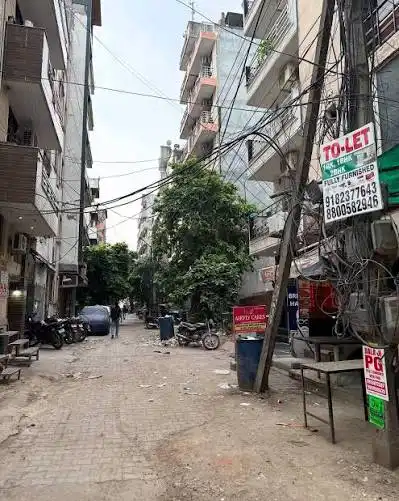
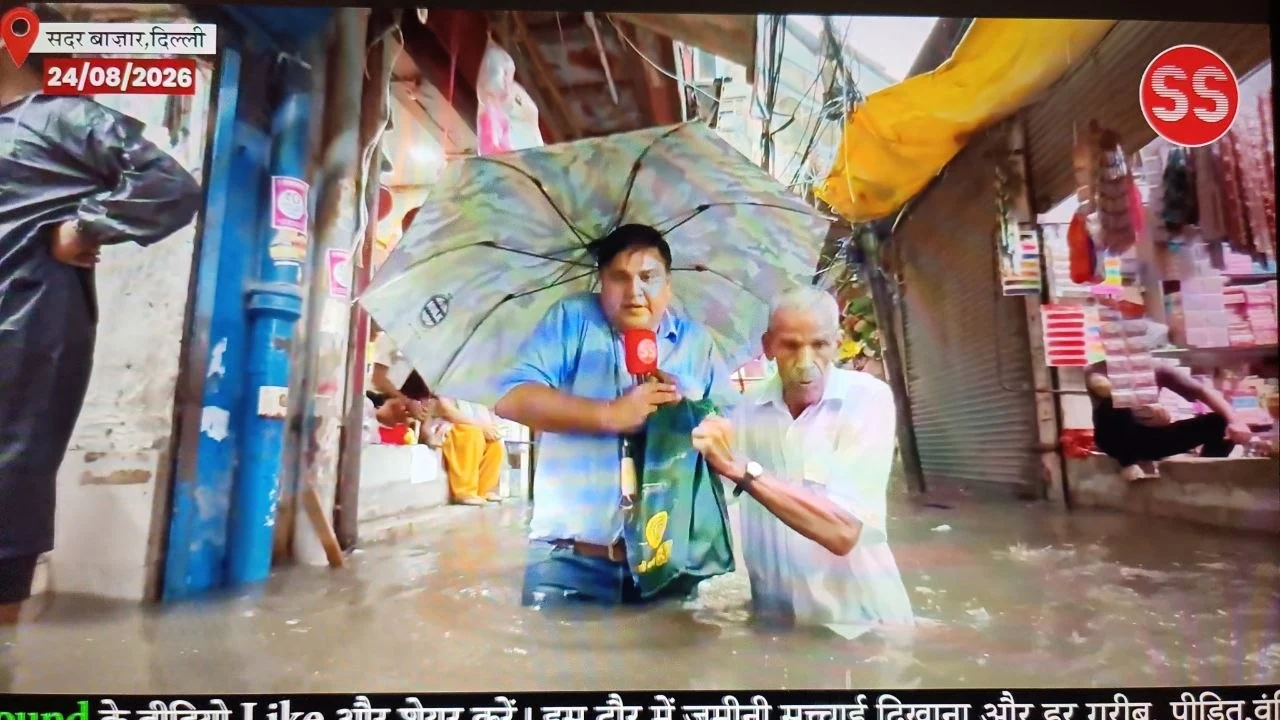
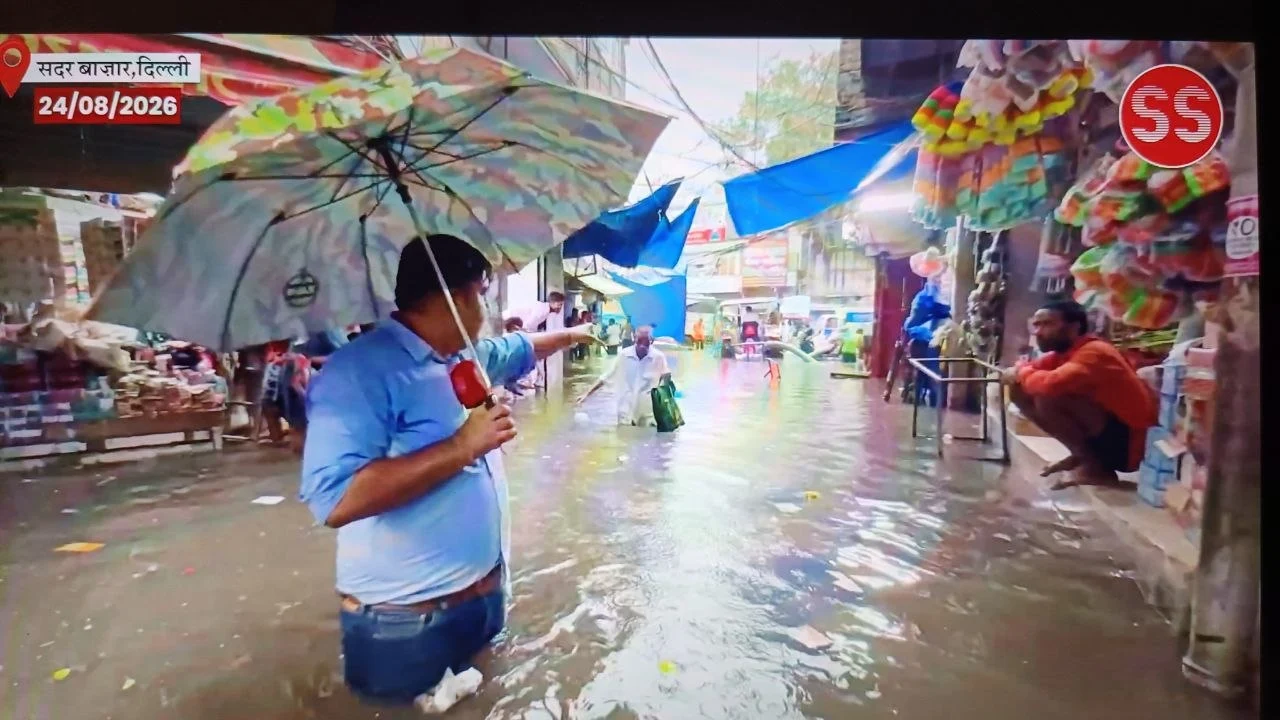
This is the gap between intention and ground. The government can point to revenue targets met, to enforcement claims, to policies that ban shops in the smallest villages and set distance rules from schools. Those measures exist on paper. On the streets of Gurugram the daily experience is different. Infrastructure lags behind the commercial density. Narrow lanes flood when it rains hard. Power and water are uneven. Building safety is an afterthought until something collapses or burns. The media notices mostly when waterlogging closes roads or a brawl involving a Thar makes the evening news. The ordinary extraction—the landlord who treats tenants as temporary nuisances, the shop that operates past any reasonable closing time because the zone fee was high and the margins must be recovered—rarely sustains attention. Everyone knows. Few treat it as a story worth repeating on ordinary days.
Gurugram has to exist in something like its present form. It absorbs the young professionals who staff the offices that keep Haryana’s growth numbers respectable. It generates the excise, the GST, the stamp duty that fund the rest of the state. Closing the liquor trade or choking the PG market overnight would not produce cleaner streets; it would produce shortages, higher black-market prices, and capital flight. The corporate campuses need housing nearby. The workers need somewhere cheap enough to live while they pay the rents that make the landlords rich. The state needs the licence fees. These are real constraints. Pretending otherwise is rhetoric.
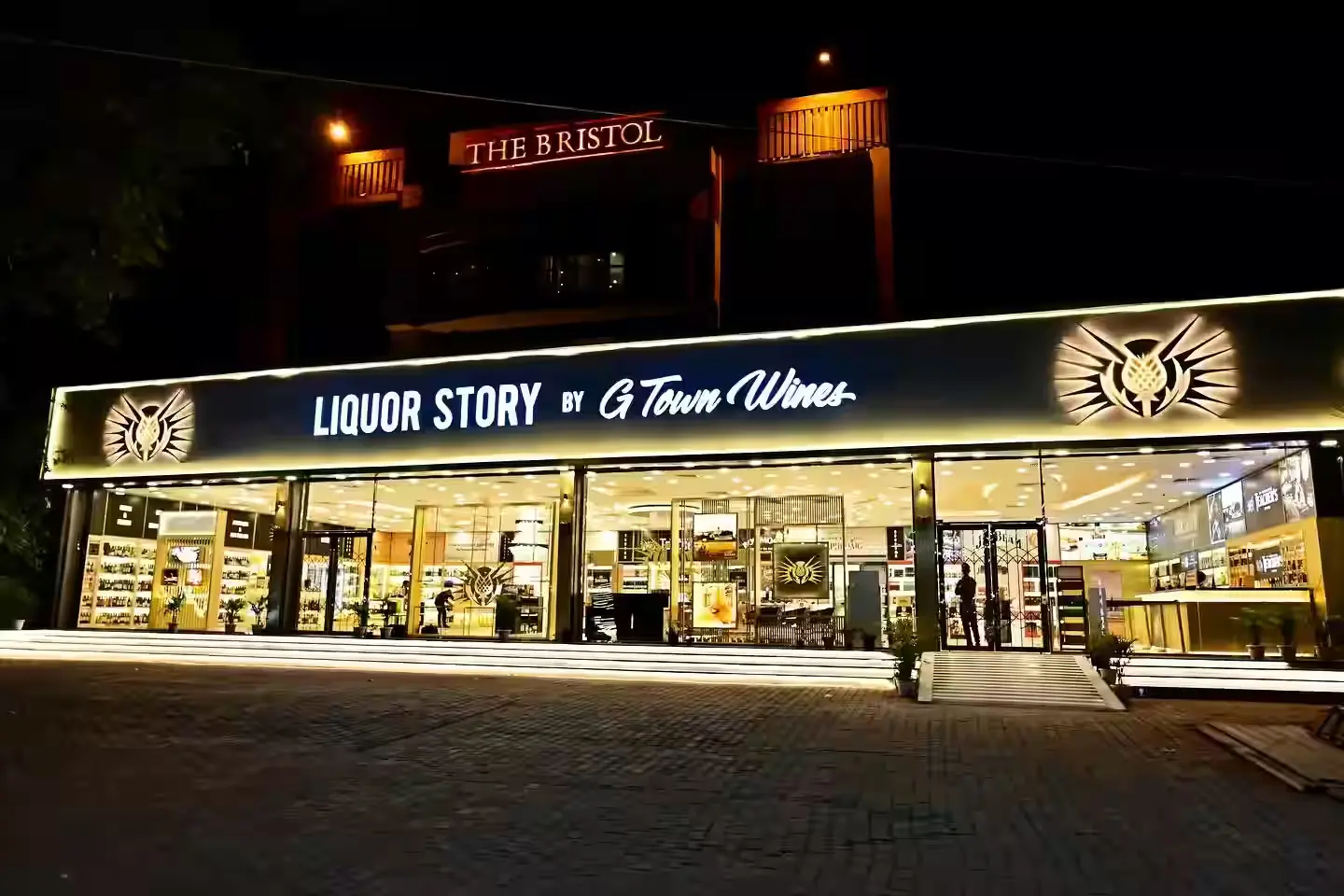
The problem is that the constraints have been allowed to harden into a permanent political economy. Revenue is treated as success even when the methods that produce it corrode the place that generates it. Selective enforcement becomes the norm because consistent enforcement would interrupt cash flows that many stakeholders have come to expect. Landlords with multiple properties have little incentive to formalize. Retailers who paid crores for a zone have every incentive to maximize hours and volume. Officials who can smooth problems for a consideration have little reason to invent new ones. Residents who complain are told the city is still developing, or that other places are worse, or that the numbers look good on paper. The cycle continues. Each year the same stories of waterlogging and traffic and illegal constructions surface for a few days and then subside. Business resumes.
A harder look would start from the recognition that Gurugram’s value is not abstract. It is the concentration of people and capital that makes the high licence fees possible. Protecting that value means more than collecting the fees. It means treating the adjacent housing stock as part of the same system rather than a convenient overflow zone. It means enforcing building and safety norms with the same seriousness applied to auction schedules. It means insisting on digital payments and proper receipts so that the informal cash economy does not remain the default. It means closing the gap between the glossy shopfront and the room upstairs that has no ventilation and no paperwork. None of this requires killing the liquor trade or driving the professionals away. It requires treating the place as a city that has to function for the people who actually live and work in it, not merely as a revenue node.
The government’s intentions are not mysterious. It wants the money Gurugram produces and it wants the growth story to continue. Those aims are understandable. The stark reality is that the methods currently used to extract that money leave the city thinner, more unequal, and more fragile than the revenue figures suggest. The wine shops stay lit. The PGs stay crowded. The by-lanes stay narrow. And every few months, when the rain comes or a fight breaks out, the same questions return: what is being done, who is responsible, why does nothing seem to change for long. The answers sit in the stakeholder economics that everyone understands and few are willing to disrupt. Until that changes, Gurugram will keep generating the crores and keep living with the consequences.